
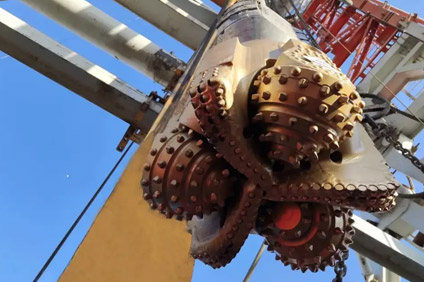
Knowing how to choose a DTH hammer requires more than matching an inch size. The hammer, drill bit, compressor, drill rig, drill pipe and rock formation work as one system. A mismatch can produce low penetration, weak flushing, excessive fuel use, abnormal bit wear or repeated downtime.
Quick DTH Hammer Selection Checklist
- Required hole diameter and target depth
- Rock hardness, abrasiveness, fracture and water conditions
- Compressor working pressure and available air volume
- Drill rig rotation, feed, pullback and mast capacity
- Bit shank, backhead thread and drill-pipe connection
- Application target: penetration, straightness, sample quality or cost per meter
1. Start with Hole Diameter
The required borehole diameter narrows the possible hammer sizes. As an industry rule, a conventional DTH hammer cannot drill a hole smaller than its outside diameter. The bit must also leave enough annular clearance for cuttings to return without making the hole unnecessarily large.
A hammer that is too small for the hole may deliver insufficient energy and poor flushing. A hammer that is too large may not have enough clearance as the bit gauge wears. Always confirm the manufacturer’s actual bit range rather than selecting by nominal inch size alone.
2. Match Pressure and Air Volume
Working pressure drives the hammer piston, while air volume must power the hammer and transport cuttings out of the borehole. Both values need to be available at the hammer after considering line losses, depth and other air demand.
| Check | If It Is Too Low | What to Verify |
|---|---|---|
| Working pressure | Weak impact and low penetration | Hammer operating range and compressor pressure at load |
| Air volume | Poor cuttings return and regrinding | Hammer consumption, hole size and annular clearance |
| Air quality | Corrosion, wear or lubrication problems | Water separation and lubrication system |
Do not assume that higher pressure alone will solve poor hole cleaning. A restricted hose, undersized pipe, excessive leakage or unsuitable annular clearance can still limit performance.
3. Read the Rock Formation
Hard competent rock normally favors strong impact energy and a bit design that resists button and gauge wear. Abrasive rock requires attention to carbide grade, gauge protection and inspection intervals. Fractured or soft formations may need a bit face and flushing arrangement that remains stable without over-drilling the hole wall.
Representative rock photos, geological logs and used-bit wear patterns are valuable selection evidence. Terms such as “hard rock” are not enough on their own because two sites may use the same description but produce very different wear.
4. Confirm Bit Shank and Connections
The DTH bit shank must match the hammer chuck and internal design. Backhead threads, drill pipes and adapters must also be compatible. Components that look similar are not automatically interchangeable. Confirm the current hammer model, bit code and thread drawing before placing an order.
5. Check the Rig and Drill String
- Can the rotary head provide the required rotation and torque?
- Can the feed system keep the bit engaged without overfeeding?
- Is pullback capacity sufficient for the planned depth and string weight?
- Are drill-pipe diameter and wall thickness suitable for the load?
- Will pipe diameter provide adequate cuttings-return velocity?
6. Select the Bit Face and Buttons
Common bit-face options include flat, convex and concave profiles, while button shapes may include spherical, ballistic or other application-specific designs. Selection depends on formation, hole straightness, penetration target and wear behavior. The correct choice is the one that maintains useful penetration and predictable wear in the actual ground.
7. Compare Total Cost per Meter
Unit price is only one cost. A practical comparison includes meters drilled, penetration rate, compressor fuel, bit consumption, hammer maintenance, tool-change time and unplanned downtime. Record these values during a controlled site trial so the new configuration can be compared with the current system.
Common Selection Mistakes
- Ordering by nominal hammer size without checking the bit range
- Looking only at compressor pressure and ignoring air volume
- Using one bit design for very different formations
- Failing to confirm shank and thread compatibility
- Increasing feed or rotation without reading the wear pattern
- Comparing purchase price instead of total drilling cost
Frequently Asked Questions
Can one DTH hammer drill several hole diameters?
Usually yes, within the manufacturer’s approved bit range. The practical limit depends on hammer outside diameter, bit design, flushing clearance and formation.
What information is most important for a recommendation?
Start with hole diameter, depth, formation, rig, compressor, current tool interface and the performance problem you want to improve.
Does higher pressure always mean faster drilling?
No. The hammer must be designed for the pressure, and flushing, feed, rotation and formation must also be suitable.
See the Brazil iron ore DTH case, explore mining drilling solutions, or browse DTH drilling tools.
Written by: HLDRILLS Technical Team
Technical review: HLDRILLS Drilling Applications Team
Review note: Final hammer selection must follow the selected manufacturer’s current technical data and the actual working condition.