
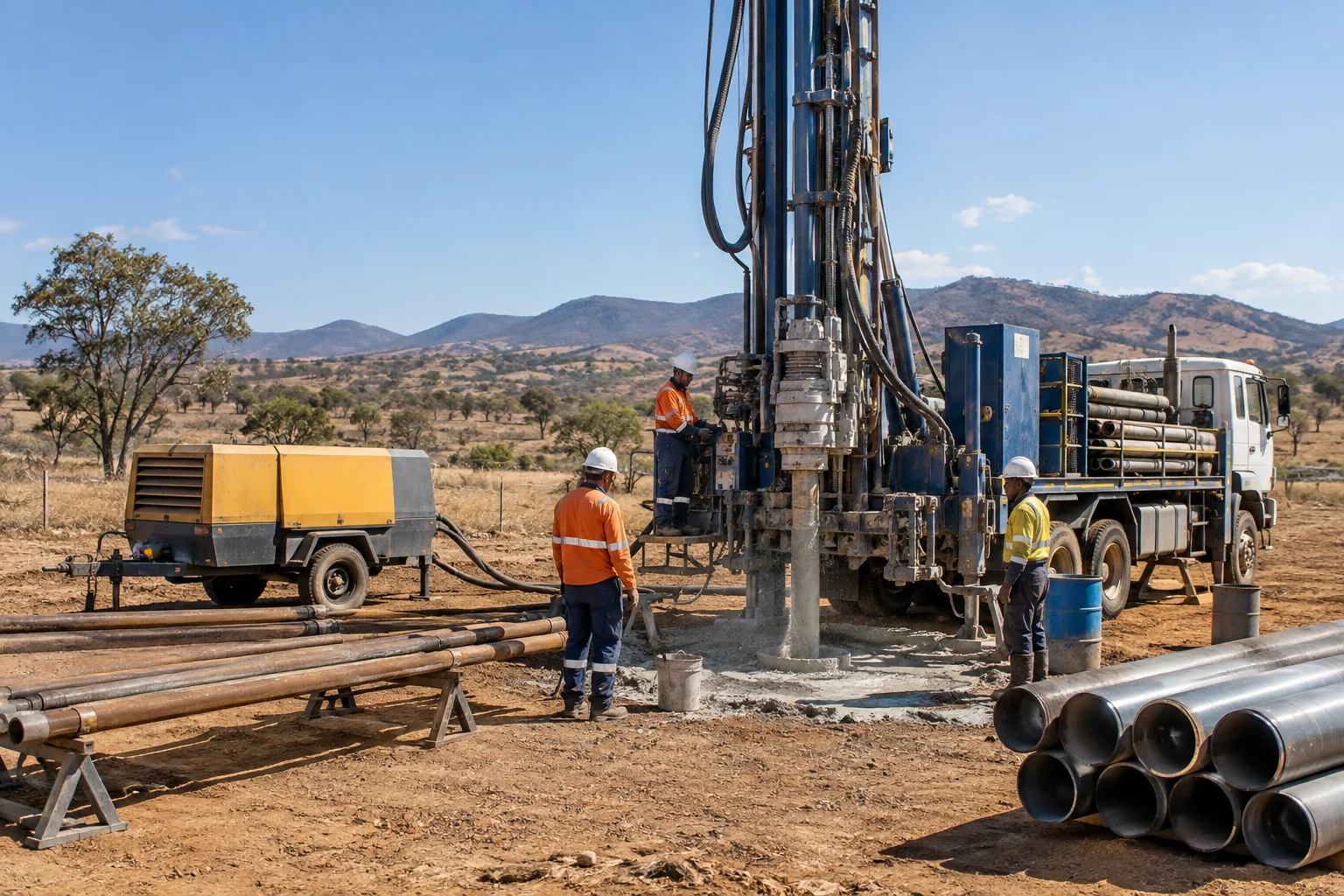
WATER WELL DRILLING SOLUTIONS
Deep Water Well Drilling Solutions for Mixed Formations and Reliable Completion
Maintain borehole stability, clear cuttings effectively and match DTH tools and casing to changing overburden, fractured rock, depth and the required well diameter.
Deep-Hole ContinuityTooling planned for long drilling cycles
Stable BoreholeCasing and formation review
Effective FlushingAir and return flow matched to depth
Completion SupportConfiguration reviewed before mobilization
WATER WELL DRILLING
The Water Well Conditions We Solve
Water well projects often pass through loose overburden, fractured water-bearing zones and hard basement rock. Borehole stability, cuttings removal and tool compatibility must be managed from surface to target depth.
01
Loose Surface Formations
Advance through soil, gravel and weathered layers while protecting the borehole with a suitable casing approach.
02
Fractured Water-Bearing Zones
Maintain drilling control and circulation as fractures, groundwater and lost-return conditions change.
03
Deep-Hole Flushing
Provide sufficient air volume and return velocity to lift cuttings as hole depth and annular volume increase.
04
Rig-Tool Compatibility
Confirm diameter, hammer, shank, drill pipe, casing and compressor capacity as one complete system.
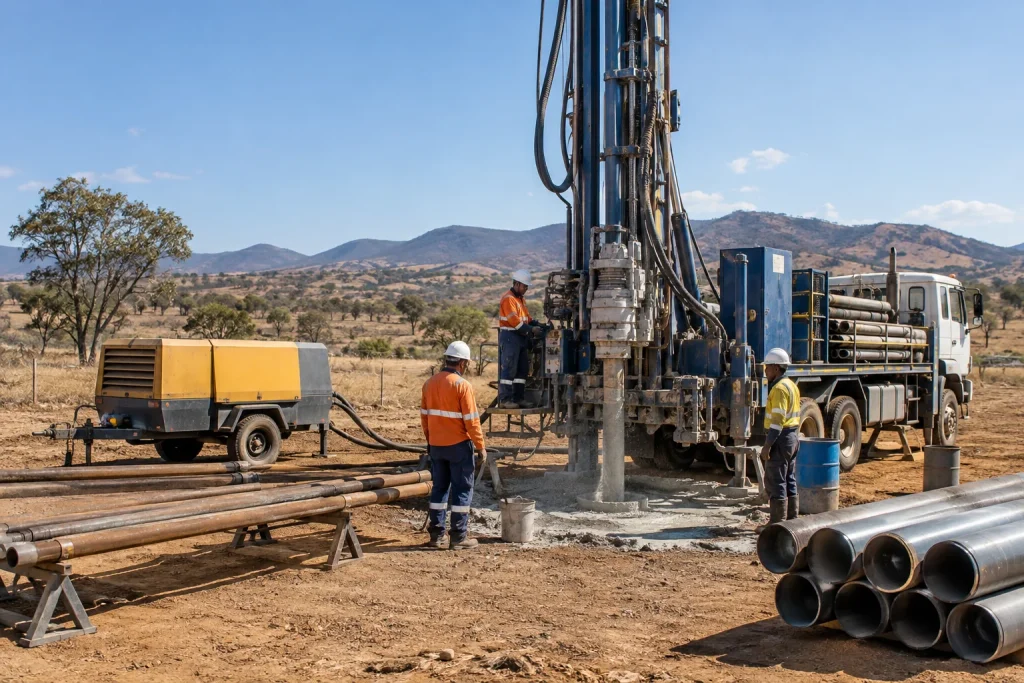
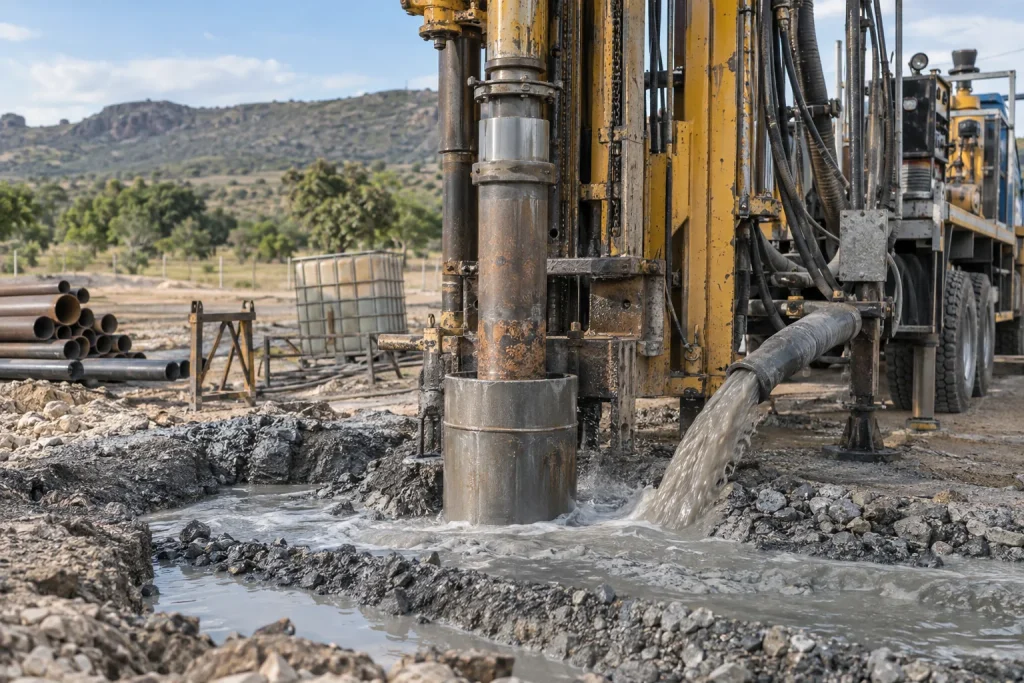
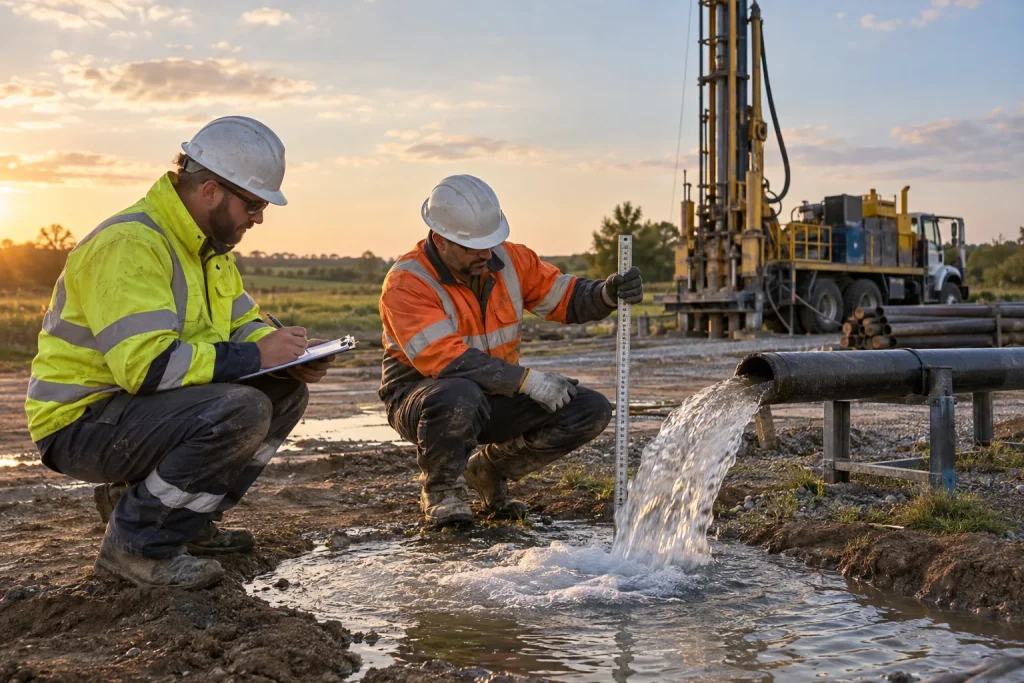
Water Well Drilling in the Field
See how deep-hole drilling, casing control and yield testing work together from borehole construction to final verification.
HYDROGEOLOGY-LED TOOL SELECTION
A Practical Configuration for Deep Water Wells
HLDRILLS starts with the expected formation sequence, target depth, finished-well diameter and groundwater conditions. The hammer, bit, drill pipe and casing method are then matched to the rig and compressor.
The objective is reliable progress to target depth, a stable borehole and a clean, controllable completion process.
Recommended Configuration Logic
Final specifications are confirmed after working-condition review.
- Formation: overburden, fractures, hardness, groundwater and expected loss zones
- Well: pilot and finished diameter, target depth and completion design
- Air system: pressure, volume, boosters and cuttings-return requirement
- Drill string: hammer, bit, drill pipes, connections and casing interface
- Completion: casing, screen, development and yield-test requirements
WATER WELL DRILLING
From Formation Forecast to Completed Well
A clear four-step workflow aligns drilling tools with borehole stability and final well requirements.
STEP 01
Well Plan Review
Collect the formation forecast, target depth, diameters, rig, compressor and completion design.
STEP 02
System Matching
Select the hammer, bit, drill string and casing method for the expected formation sequence.
STEP 03
Drilling & Parameter Setup
Confirm feed, rotation, air and flushing while monitoring returns and borehole response.
STEP 04
Completion & Performance Review
Review depth, borehole condition, development and yield-test results, then document the final configuration.
WATER WELL DRILLING
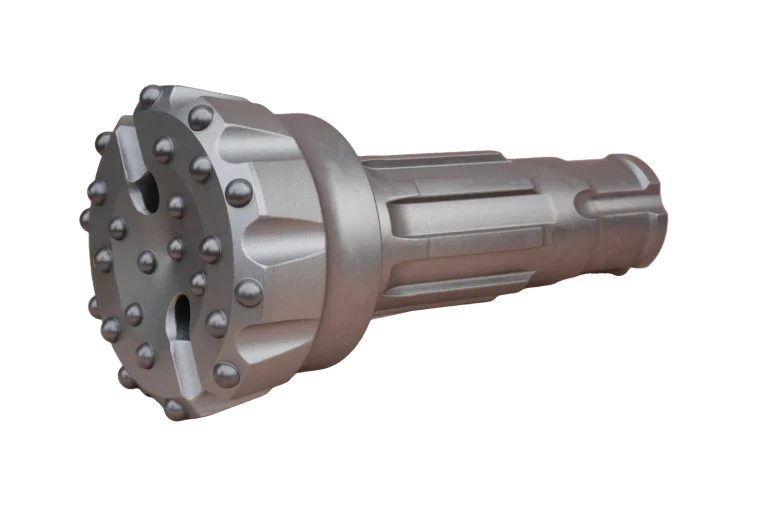
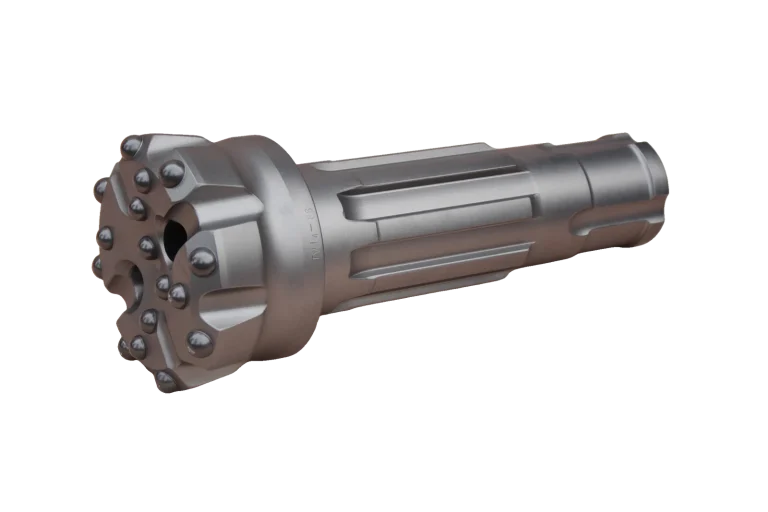
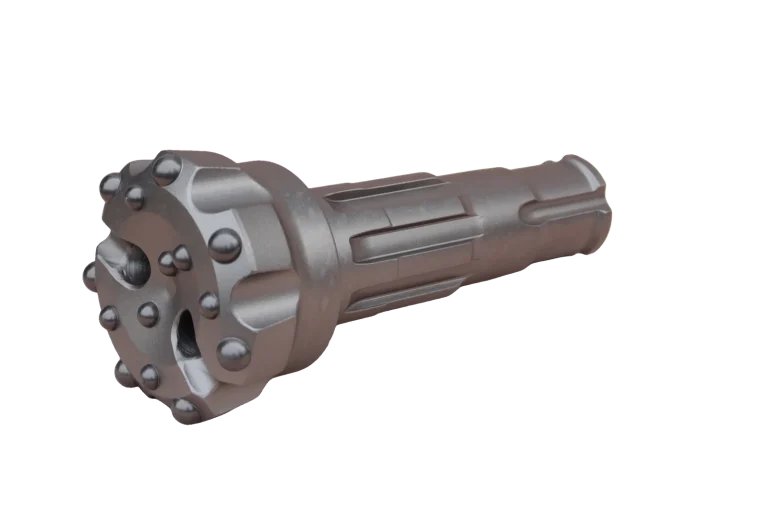
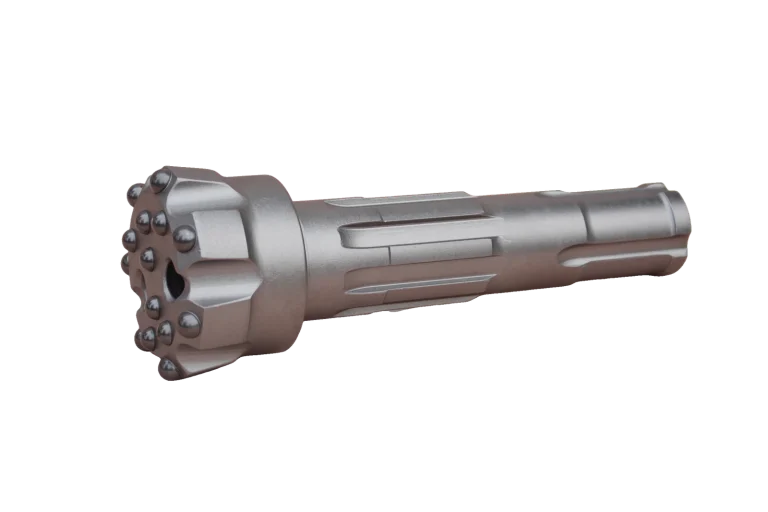
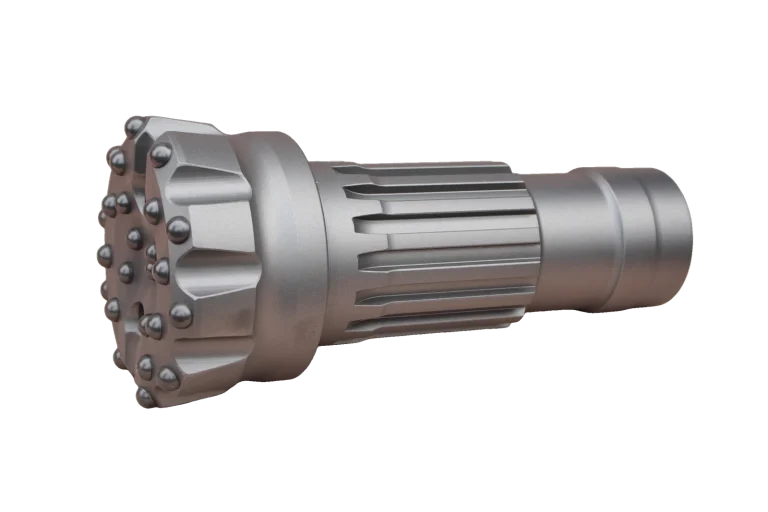
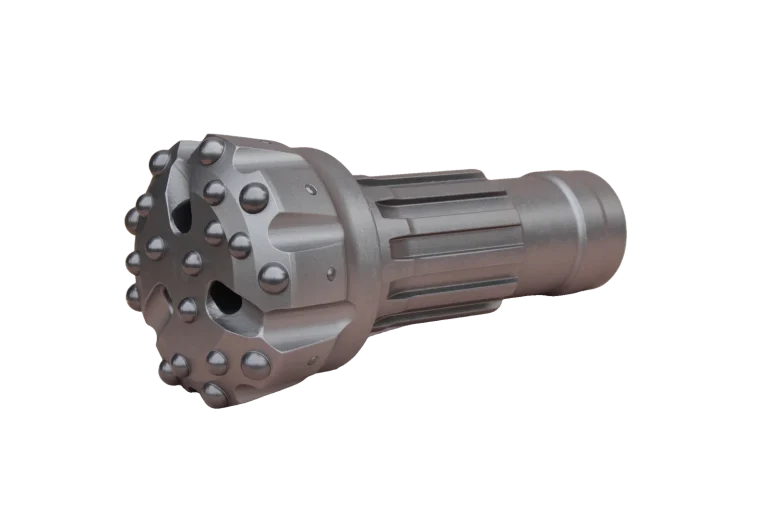
Recommended Water Well Drilling Tools
Current DTH products are selected from the managed Product section for deep water wells and compatible mixed-formation drilling.
WATER WELL DRILLING
Related Water Well & Casing Results
Review deep water well and unstable-formation applications when evaluating a proposed drilling and casing configuration.
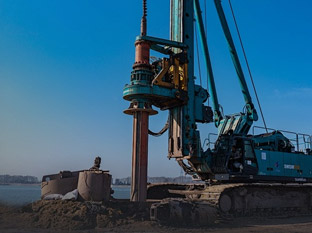
Peru 1,500 m Deep Water Well Drilling Project
A deep water well drilling tool pa…
Read Case StudyTECHNICAL SELECTION SUPPORT
Send Us Your Well Depth and Formation Information
Share the formation forecast, target depth, drilling and finished diameters, rig model, compressor capacity and casing plan. Our team will recommend a practical water well tooling configuration.
WHO THIS SOLUTION IS FOR
Built for Water Well Contractors and Project Teams
For water well contractors, drilling companies and equipment distributors that need reliable borehole completion, controlled drilling cycles and fewer delays in changing ground.
01
Water Well Contractors
Improve completion rate Match DTH, casing and borehole practices to formation changes so more holes reach a usable completion condition.
02
Project Teams
Shorten the construction cycle Reduce rework and avoidable interruptions with a drilling configuration planned around depth, water conditions and ground stability.
03
Distributors
Cover mixed drilling requirements Combine DTH, tricone and casing-related tooling into a clearer supply package for local well contractors.
04
Rig Manufacturers
Deliver a better-matched system Coordinate tool interfaces, air demand and drilling objectives so the rig and tooling work as one package.