
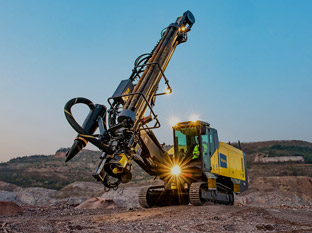
The South Africa project required gold mine tricone bit selection for hard-rock drilling. The main commercial targets were to reduce cost per drilled meter and improve equipment continuity. Instead of judging the bit only by purchase price, the project reviewed cutting structure, bearing configuration, operating load and service life as one performance package.
Project Overview
| Project | South Africa Gold Mine Drilling Project |
|---|---|
| Application | Hard-rock mining |
| Tool system | Tricone drill bit series |
| Main objective | Reduce cost per meter and unplanned equipment interruption |
| Recorded result | 22% lower drilling cost per meter and 40% lower equipment failure rate |
Hard-Rock Tricone Drilling Challenge
Hard formations place high loads on cones, bearings and carbide inserts. An unsuitable cutting structure can cause low penetration, insert damage or uneven cone wear. Excessive weight on bit or incorrect rotation can also increase vibration and transfer damaging loads to the rotary system and drill string.
The selection needed to reflect formation strength and abrasiveness, hole diameter, rig torque, available weight on bit, rotary speed, circulation system and the wear pattern of the previous tools.
Tricone Bit Selection Approach
- Use a TCI cutting structure appropriate for hard and abrasive rock.
- Confirm bit diameter and connection against the existing bottom-hole assembly.
- Evaluate bearing and sealing configuration for the expected load and operating environment.
- Balance weight on bit and rotation rather than increasing one parameter without monitoring response.
- Track insert wear, cone movement, bearing condition and drilling vibration after each run.
Stable drilling depends on how the bit interacts with the rig. Increasing load may not improve penetration if the cutting structure cannot efficiently fracture the formation. The operating window should be adjusted using penetration response and wear evidence, not by relying on one fixed parameter for every bench.
Recorded Project Results
According to the supplied project data, the selected tricone bit series reduced drilling cost per meter by 22%. The recorded equipment failure rate decreased by 40%. More predictable wear and a steadier drilling response supported better maintenance and consumable planning.
The result belongs to this project’s operating record and should not be interpreted as a guaranteed result for every mine. Formation, equipment, circulation, load, maintenance and operator practice all affect tricone performance.
Calculate the Real Cost per Meter
- Bit purchase and reconditioning cost
- Total meters drilled per bit
- Penetration rate and machine hours
- Fuel or energy consumption
- Tool-change and inspection downtime
- Related drill-string or rig failures
This calculation creates a more useful comparison than unit price alone. A bit that costs more initially may still produce a lower cost per meter when it delivers stable footage and reduces interruption.
Information Required for Selection
Provide formation information, hole diameter and depth, rig model, rotary torque, available weight on bit, circulation method, connection, existing bit code and clear wear photographs. These details allow the cutting structure and operating range to be reviewed together.
Explore our mining drilling solutions, read the related Brazil DTH mining case, or visit the product center.
Written by: HLDRILLS Technical Team
Technical review: HLDRILLS Drilling Applications Team
Data note: Results are based on the project information and operating record supplied for this case.