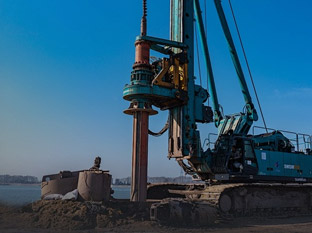
The Peru project required a complete set of deep water well drilling tools for a target depth of 1,500 meters. The borehole passed through complex formations, so the drilling plan needed to balance penetration, cuttings removal, drill-string compatibility and borehole stability over a long construction cycle.
Project Overview
| Project | Peru Deep Water Well Project |
|---|---|
| Application | 1,500 m deep water well construction |
| Tool system | Formation-matched water-well drilling tool package |
| Main objective | Maintain drilling continuity through complex formations |
| Recorded result | 30% higher drilling efficiency; borehole passed first acceptance |
Why a 1,500 m Well Requires System Planning
Deep wells may encounter competent rock, fractured intervals, loose overburden and water-bearing zones within the same borehole. One tool configuration is rarely optimal for every interval. Greater depth also increases the importance of connection reliability, drill-pipe condition, cuttings transport and the ability to retrieve or change tools safely.
The selection process therefore considered the target diameter and depth together with expected strata, rig pullback and torque, compressor capacity, drill-pipe specification, casing requirement and the connection between each component.
Formation-Matched Tool Package
- DTH hammer and bit for competent hard-rock intervals
- Compatible drill pipes, adapters and connecting subs for the required depth
- Tricone options where formation response favored rotary cutting
- Casing drilling options for loose or unstable upper formations
- Flushing, lubrication and wear-inspection guidance for long drilling cycles
The purpose of the package was not to force one product through the entire well. It provided compatible options that could be selected as formation conditions changed while keeping the interfaces of the drill string under control.
Key Risks in Deep Water Well Drilling
- Poor cuttings removal: can increase regrinding, wear and the risk of sticking.
- Formation instability: may require casing support before open-hole drilling continues.
- Connection mismatch: can introduce weak points or prevent components from assembling correctly.
- Inadequate air or circulation: reduces hammer performance and hole cleaning at depth.
- Unplanned tool changes: add significant time when the borehole is already deep.
Recorded Project Results
The supplied project record reports a 30% improvement in drilling efficiency through the complex formation intervals. The completed borehole passed acceptance on the first inspection. The coordinated tool package helped reduce avoidable interruptions and supported a more stable construction sequence.
These results reflect the recorded conditions of this project. Deep-well performance depends on geology, equipment capacity, circulation, operating practice, casing design and borehole management.
Planning Information for a Deep Well Quotation
- Target depth and final borehole diameter
- Expected formation log and known unstable intervals
- Drill rig model, torque, pullback and feed capability
- Compressor or mud-system specification
- Drill pipe diameter, wall thickness, length and thread
- Casing outside diameter, wall thickness and installation plan
- Current tools and the main problem to be improved
Review our water well drilling solutions, compare ODEX and symmetric casing systems, or visit the drilling tool center.
Written by: HLDRILLS Technical Team
Technical review: HLDRILLS Drilling Applications Team
Data note: Results are based on the project information and operating record supplied for this case.