
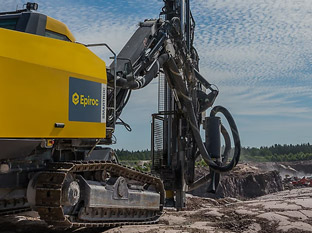
Quarry blast hole drilling tools must deliver repeatable hole quality under continuous production conditions. This application case explains how a DTH hammer, bit and drill pipe can be reviewed as one system for medium-to-hard quarry rock. Because no verified customer location or performance percentage was supplied for this record, the case focuses on the technical matching process rather than presenting unsupported results.
Application Overview
| Application | Quarry production blast-hole drilling |
|---|---|
| Formation | Medium-to-hard rock with variable fracture and abrasiveness |
| Tool system | DTH hammer, DTH bit, drill pipe and adapters |
| Selection target | Stable penetration, effective flushing and controlled consumable wear |
| Result status | No verified project percentage supplied; evaluate by site trial |
Production Drilling Challenges
Quarry drilling repeats the same cycle across many holes, which makes small inefficiencies accumulate quickly. Poor flushing can cause cuttings to be crushed again at the bottom of the hole. Excessive rotation or feed can accelerate button wear, while an undersized air package may prevent the hammer from working within its intended range.
Hole deviation and inconsistent diameter can also influence charging and blasting. For this reason, the tool package should be checked against the hole plan, bench conditions, rig, compressor and current wear evidence.
DTH Tool Matching Process
- Confirm hole diameter and average drilling depth.
- Review rock hardness, abrasiveness, fracture and water conditions.
- Match hammer size and operating pressure to compressor output.
- Select bit face, button shape and gauge protection for the formation.
- Check drill-pipe diameter, wall thickness, length and thread.
- Establish rotation, feed, lubrication and inspection guidance for the trial.
Why Air Volume and Annular Velocity Matter
High pressure powers the hammer, but air volume is also required to carry cuttings out of the borehole. The clearance between drill pipe and hole wall affects return velocity. A configuration that cannot clean the hole may show slow penetration, excessive dust or cuttings accumulation even when the hammer itself is operating.
How to Validate the Configuration
- Record penetration rate by formation and hole depth.
- Measure meters drilled per bit and per hammer service interval.
- Photograph button and gauge wear at consistent intervals.
- Track compressor load, fuel consumption and drilling time.
- Record hole deviation, tool changes and unplanned downtime.
- Compare total cost per meter against the previous configuration.
A controlled field trial should keep the rig, operator and representative formation as consistent as practical. This creates a more useful comparison than changing several variables at the same time.
Information Needed for a Quarry Recommendation
Provide the rig and compressor models, required hole diameter and depth, current hammer and bit shank, drill-pipe thread, rock information and the main performance problem. Wear photographs and current meters per bit are especially useful for identifying whether the issue relates to selection, operation or maintenance.
Read our guide to choosing a DTH hammer, explore quarry engineering solutions, or visit the product center.
Written by: HLDRILLS Technical Team
Technical review: HLDRILLS Drilling Applications Team
Editorial note: This application case explains selection methodology. No customer identity or performance percentage has been added without a verified project record.